The Immigrant From Ukraine Who Built The App That Collapses Distance
My mother sends me messages on WhatsApp.
Not long essays. Nothing dramatic. Just updates that carry the weight of home in ways you only understand when you are far from it. A cow has been given seed. Someone stopped by. The rain came late this year.
I read them from a different time zone and reply as if the distance between us is not what it is.
That is what WhatsApp does. It collapses distance without announcing that it is doing anything at all.
It makes sense, then, that it was built by someone who understood distance long before he understood technology.
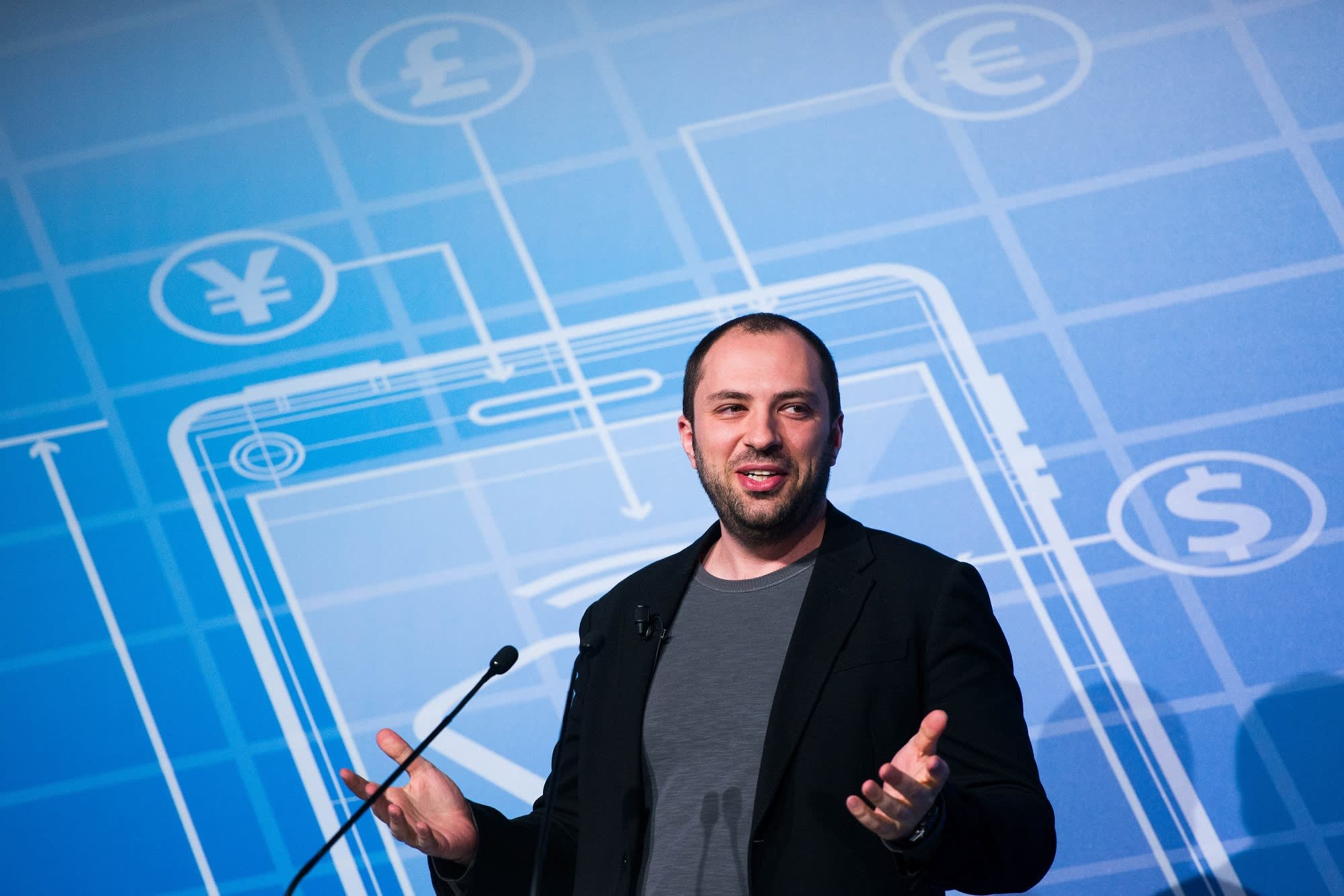
This is the story of Jan Koum
There was a time when communication did not feel this easy.
Before the notifications and the double ticks and the quiet assumption that a message will arrive, there were other systems. You planned calls. You watched the clock. You decided what was important enough to say because saying it came at a cost. If you missed someone, you waited. If you needed to reach them urgently, you hoped the system would hold.
Koum grew up in a place where communication carried a different kind of weight.
Outside Kyiv, in a small village that did not operate on openness, conversations were not always private. Phones could be monitored. Information moved, but not always freely. You learned early that speaking was not just expression, it was exposure. That awareness settles into you quietly. It shapes how you think about connection long before you have the words to describe it.
When his mother decided to leave for the United States, it was not framed as an opportunity in the way such moves are often described later. It was a decision shaped by conditions that had become difficult to navigate, a recognition that staying would require a different kind of compromise. His father remained behind. At the time, it felt temporary. These things often do.
They arrived in California with very little.
Mountain View, before it became what it is now, was not a symbol of technological ambition. It was simply a place to start again. Their apartment was small. The income uncertain. His mother worked where she could, first as a babysitter, later cleaning houses. The work demanded time and attention, leaving long stretches where he was alone.
There are details that define that period more clearly than any general description: No steady phone line for a time. Groceries planned carefully. Visits to a government office where you waited your turn and hoped everything had been filled out correctly.
He stood beside his mother in those lines, watching how carefully she handled each document, how she spoke just enough to be understood, how much depended on decisions made by people who did not know them.
That kind of experience does not announce its influence immediately. It stays with you. It shapes how you see systems, how you understand access, how you recognize the difference between something working in theory and working in practice.
He spent a lot of time on computers, not because it was framed as a future, but because it made sense in a way other things did not. Systems responded predictably. Logic held. There was a structure that did not depend on external approval. At San Jose State University, he began studying computer science, but the path shifted quickly. The formal education mattered, but the real learning was happening elsewhere.
At Yahoo, he worked on infrastructure, the part of the internet that users never see but always depend on. It is one thing to use communication tools. It is another to understand how they function underneath, where delays occur, where systems break, where scale introduces pressure.
He stayed there for years.
That kind of time does something to your thinking. It slows you down in a useful way. It allows you to see patterns that are not visible at the surface. It teaches you that what appears simple is often supported by layers of complexity that must align precisely.
It was also where he met Brian Acton. They worked, learned and then they left.
What came next did not resemble the clean transitions often described in founder stories. There was no immediate success waiting. They applied to companies and were turned down, including by Facebook. Rejection, in that moment, was not a narrative device. It was just part of the experience.
Koum bought an early smartphone.
He began to notice small things. Applications that displayed status updates. Not conversations, not threads, just simple signals. Available. Busy. Offline. It was a minor detail, easy to overlook, but it suggested something larger.
What if communication did not need to be layered. What if it could be direct. What if sending a message did not require navigating a system that felt heavier than the message itself.
The first version of WhatsApp did not succeed.
It crashed. It failed in ways that made the idea feel unstable. There was a period where continuing seemed unreasonable. Koum considered stopping. Acton encouraged him to keep going, not with certainty, but with enough conviction to extend the effort.
Then a shift occurred.
Apple introduced push notifications.
It is one of those moments that appears small from the outside but changes everything from within. Messages could now arrive instantly. The product aligned with its own premise. Communication became immediate in a way that did not require explanation.
Adoption followed, because the function was clear. You send a message. It arrives. No delay. No cost. No complication.
For people living far from home, this was not a convenience. It was a change in how distance was experienced.
A voice from another country without the hesitation of cost. A message sent without deciding whether it was worth it. The ability to share small details, the kind that make up daily life but rarely justify a phone call.
A cow has been given seed. Someone stopped by. The rain came late this year. These are not headlines. They are not urgent. But they are the texture of connection.
WhatsApp grew within that space.
It remained simple by design. No advertisements. No unnecessary features. A focus on communication that resisted the pressure to expand into something broader. In a landscape where many companies pursued attention through complexity, this restraint became defining.
When Facebook acquired WhatsApp for $19 billion, the number became the center of the story. It still is. Numbers provide scale, but they rarely provide understanding.
The more precise story is quieter. A child who once stood in a government office, observing how systems determine access, later builds a system that reduces dependence on those structures for something as basic as communication.
Today, WhatsApp exists as part of daily life for billions of people. It is used without thought, which is perhaps the clearest indication that it is working as intended. The technology recedes. The interaction remains.
May the Day Break