Bebeto: The Baby Celebration, 1994 World Cup & Where He Is Now
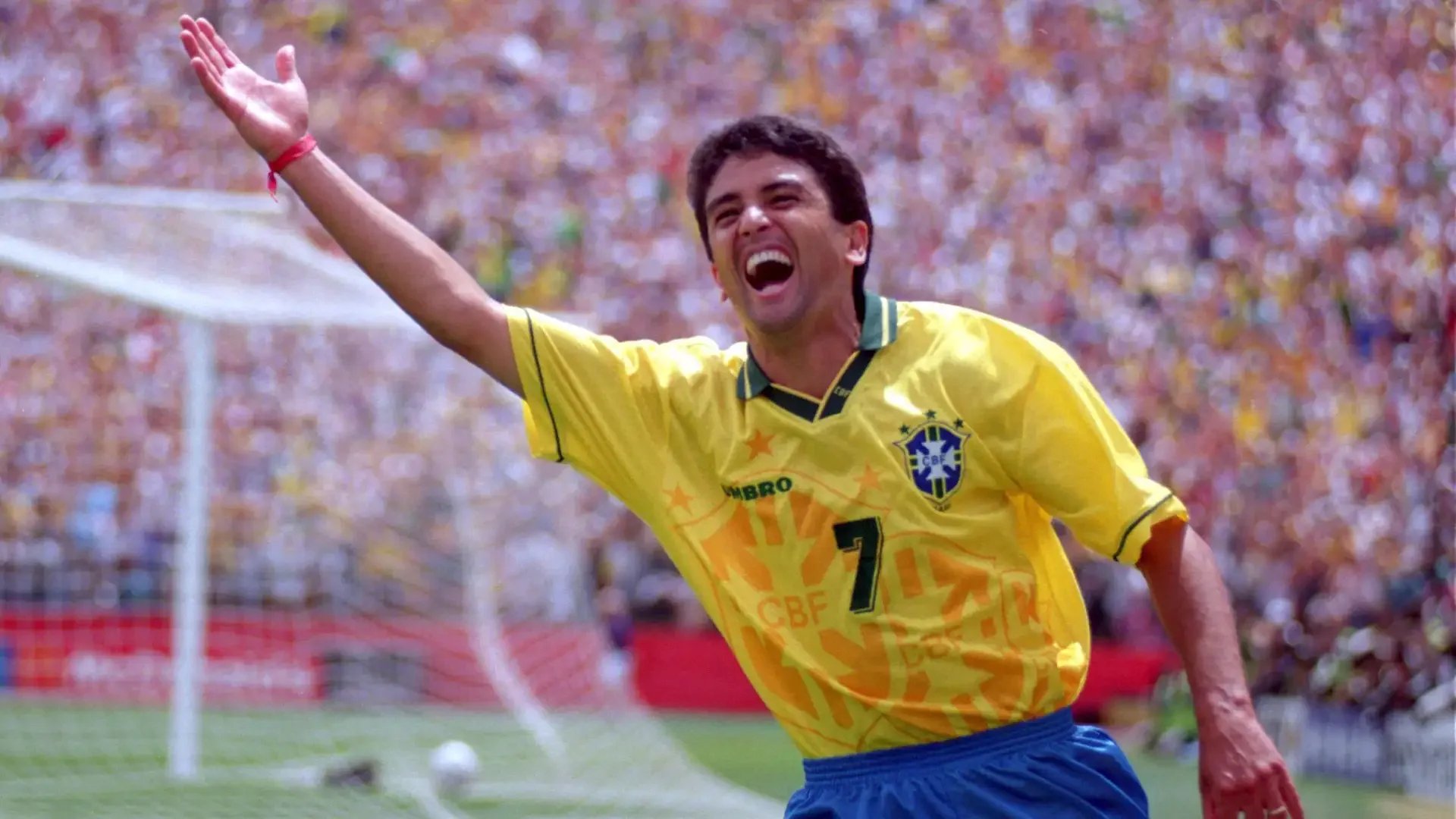
Remember Bebeto?
Now there is a moment in football that does not belong to football. And it calls on you to answer a simple question: where were you when it happened?
The year is 1994. The world is watching what was then billed as the game of the century: it was Brazil vs. Netherlands in the Quarter-final of the World Cup, played at the iconic Cotton Bowl Stadium in Dallas, Texas.
I was in Baricho. Those days, man, was hard to catch a game. You either listened to the game via a transistor radio, or at one or two local restaurants that owned a black and white television. On that day, it was at Mwíreri hotel.
Two days before that match, a woman named Denise went into labor back in Rio de Janeiro. And her husband, distracted, anxious, pacing the corridors of a World Cup campaign, was thousands of miles away.
That Brazilian player was Bebeto
A Brazilian television network showed Bebeto images of his wife and their newborn son. “It was extremely emotional,” he would later tell reporters. “ I am emotional now talking about it. I wanted to hold him in my arms, but it was a lovely surprise. At that moment, I pleaded with God to allow me to score a goal against Holland in homage to my son.”
God was listening.
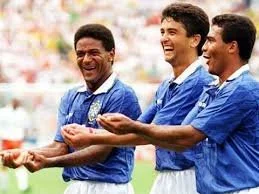
In the 63rd minute, Bebeto doubled Brazil’s lead. And then he ran to the sideline, brought his arms together, and began rocking an imaginary baby. Teammates Romario and Mazinho joined in. And a legend was born.
That is where the “rock the baby” celebration was born. And today, players use the same celebration.
See, Jose Roberto Gama de Oliveira, nicknamed Bebeto, was one of the greatest strikers Brazilian football has ever produced. Baby-faced, slightly built, and frighteningly efficient. He played a vertical, modern brand of football that combined quick touches with an almost effortless ability to score.
His attacking partnership with Romario at the 1994 World Cup was one of the most devastating the game has ever seen.
“In training sessions the two were perfect,” said defender Ricardo Rocha. “We knew that both could solve any game of that World Cup.”
Between Romario and Bebeto, they produced eight goals and carried Brazil to glory.
Bebeto appeared in three World Cups, reaching the final twice, winning in 1994 and finishing as runner-up in 1998. He scored 52 goals in 98 appearances for Brazil, cementing his place as the nation’s sixth-highest all-time scorer.
Brazil’s last World Cup title before 1994 had been in 1970. Twenty-four years of hunger, ended by a penalty shootout against Italy before 94,000 fans. Bebeto was at the centre of it all.
Bebeto retired from football in 2002. In 2010, he entered politics and was elected to the Legislative Assembly of Rio de Janeiro, representing the Democratic Labour Party.
Isitoshe,
In early 2025, he was invited to deliver a keynote address at the SBC Summit Rio. He spoke about his journey, from winning the World Cup to navigating leadership, identity, and reinvention:
“Football runs through the fabric of Brazilian culture,” he said. “I hope the lessons I have learned along the way can inspire others, far beyond the world of sports.”
And that baby he rocked in Dallas?
Bebeto named his son Mattheus in honour of the great German footballer Lothar Matthaus. Mattheus Oliveira grew up, became a professional footballer, and signed a five-year deal with Sporting CP in Portugal. The boy celebrated before he took his first breath. He has spent his life living up to the moment.
May the day break