She Quit Her Job When Her Mother Got Cancer. What She Found in Africa Changed Everything.
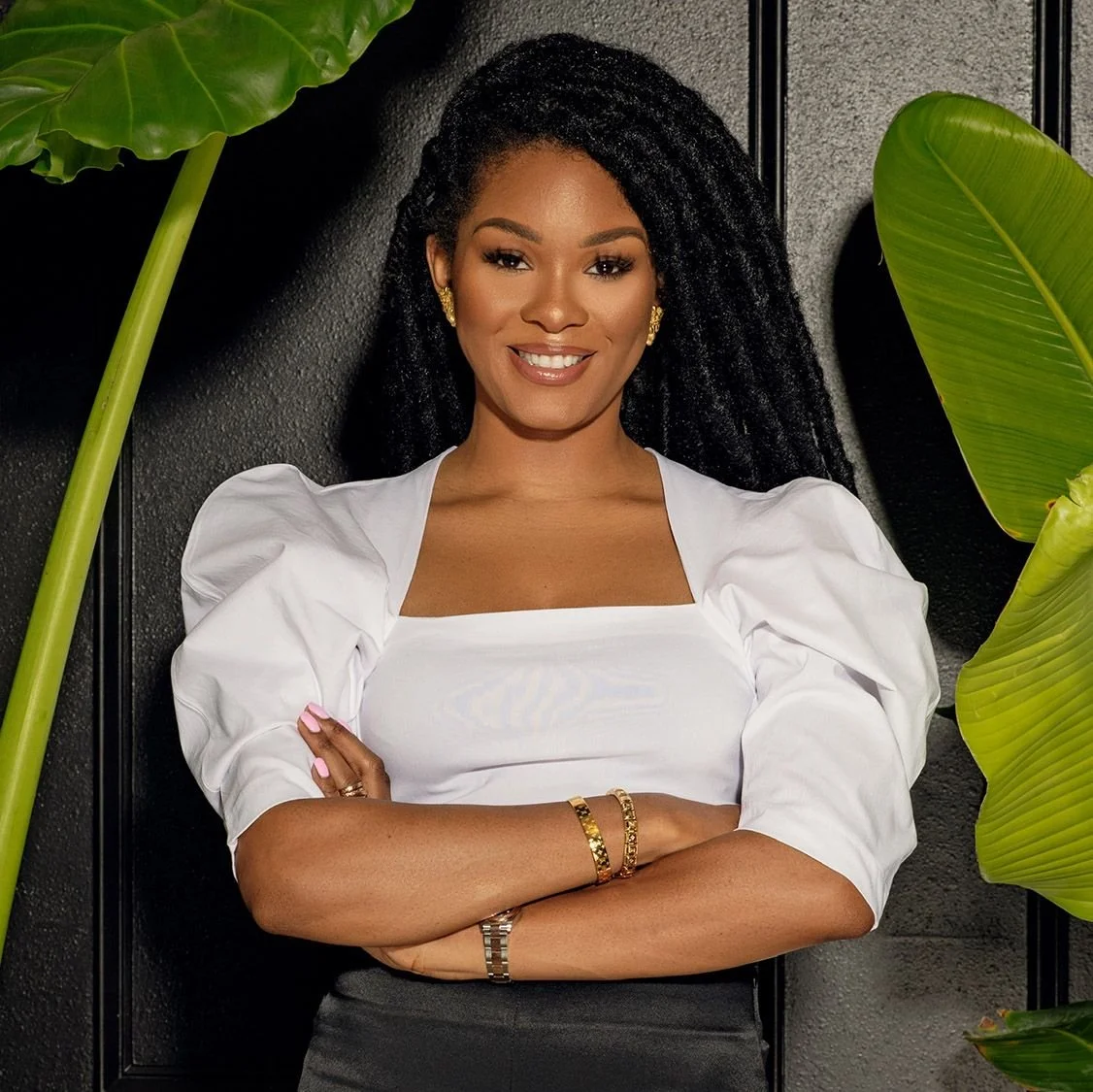
Her aunt in Nigeria had been sending shea butter for years.
As a child growing up in Austin, Texas, Christina Funke Tegbe received those small tins and thought nothing of them. There was lotion at the store. Why were they getting their moisturiser from Africa? She used it because her family used it. She did not yet understand what it meant.
Then her mother was diagnosed with breast cancer.
The aunt sent shea butter again, this time for the mastectomy scar. To soothe it. To heal it. The same ingredient that had arrived in tins throughout Christina's childhood arrived now as medicine. And something shifted.
She was thirty-six years old and burning out inside a corporate consulting career that paid well and meant nothing. Her mother's diagnosis cracked something open. She overhauled her bathroom, looked at every product she had been putting on her skin, and found them full of harsh chemicals, synthetic dyes, parabens. She threw everything out.
Then she cashed out her 401k.
Then she bought a flight to Africa.
"I quit my corporate consulting job in 2015 because something pulled me to get back to Africa and learn about my heritage," she has said. "I felt like I needed to go and learn about where I came from. I needed to be around my family."
She spent a year moving through Nigeria, Ghana, Morocco, Egypt. Not as a tourist. As someone trying to understand something. She went to the markets. She found the women making things-argan oil pressed from kernels, shea butter extracted from nuts that had been roasted over open fires, black soap made from plantain ash by cooperatives where the women lived and worked and raised their children together. She asked to know more. She was shown. She went back.
"Every place that I traveled to, I went to the market and asked where I can buy, say, argan oil and someone would just take me and show me where to go," she recalls. "In African countries, people are a lot more willing to help. I would email and call people and then I would just buy a flight and go there. You can send emails, but it is different when you show up on their doorstep."
She launched 54 Thrones in 2016. The name is not decoration. Africa has 54 countries. Each one is a throne, a seat of something ancient, something sovereign, something the Western beauty industry had been extracting from without ever naming.
The argument behind the brand is one the beauty world did not want to hear: clean beauty did not begin in California. It began in Africa. The women in those markets had been using botanical ingredients for centuries, not as a wellness trend, not as a marketing category, but as medicine, ceremony, and daily life. Shea butter to prepare a bride for marriage. Black soap named after the women who sold peppers in the market beside the women who made it. Kigelia oil rubbed across bodies to firm skin for generations before anyone wrote a product description about it.
Christina went to find that knowledge and refused to reduce it to a label.
She did not order ingredients from a middleman. She went to Ghana and sat with the cooperatives, buying shea butter directly from the women who harvested it, at livable rates, because she had watched them do the work. She bought safety boots for women who harvested shea nuts in areas with snakes. She showed them videos and photos on her phone from previous visits. She knew their names.
"I didn't want to just order from the middle person," she has said. "I wanted to make sure that they were getting livable rates for what they were selling, because I had witnessed all the hard work that it takes to make this stuff."
The business did not arrive easily. It arrived the way most honest things do-slowly, on the strength of the product and the story behind it.
In 2020, Oprah's team emailed. The 54 Thrones Holiday Butter Set made Oprah's Favorite Things list. The product sold out. The brand that had been built on $500,000 in annual revenue, with only $8,000 spent on marketing, was suddenly visible to the world that had not yet found it.
In 2021, 54 Thrones was chosen for the Sephora Accelerate Incubator Programme and launched in Sephora stores-the first Black-owned African-inspired beauty brand to do so. That same year, Christina walked onto the Shark Tank set and pitched to a room of investors who had never had to think about where their moisturiser came from.
She walked out with a deal. $250,000 for 17.5% equity, split between Kevin O'Leary and guest investor Nirav Tolia.
She was also in Nordstrom. Forbes. Elle. Vogue.
Mark Cuban called her a rock star before he declined to invest. He said he didn't understand the business.
She understood it fine.
The 54-country travel mission is not complete. It is still in progress. Christina continues to move through the continent, meeting the artisans, understanding the ingredients, building the relationships that make the brand what it is. She has said her Nigerian aunt, the one who sent those first tins of shea butter decades ago, is now seventy-five years old and does not have a single wrinkle.
The proof, as she puts it, is in the pudding.
Her mother beat cancer.
The shea butter that arrived to heal the scar became the business that now sits in Sephora. That is the full arc of it, grief to heritage to conviction to product to shelf. One woman in Austin who looked at a small tin from Nigeria and finally understood what it meant.
Clean beauty did not start in a laboratory. It started with women who knew which plants to use and passed that knowledge to their daughters.
Christina Funke Tegbe is making sure the world knows that now.
May the day break!
Most brands are not failing because the product is wrong. They are failing because the way the brand presents itself does not match what the business actually is. There is a gap between the quality of the work and the quality of how that work is being communicated-and that gap is costing customers, credibility, and revenue every single day.