She Grew Up Watching Her Friends Pull Out MAC at the Bathroom Mirror. She Could Only Afford Drugstore. So She Built Her Own Empire
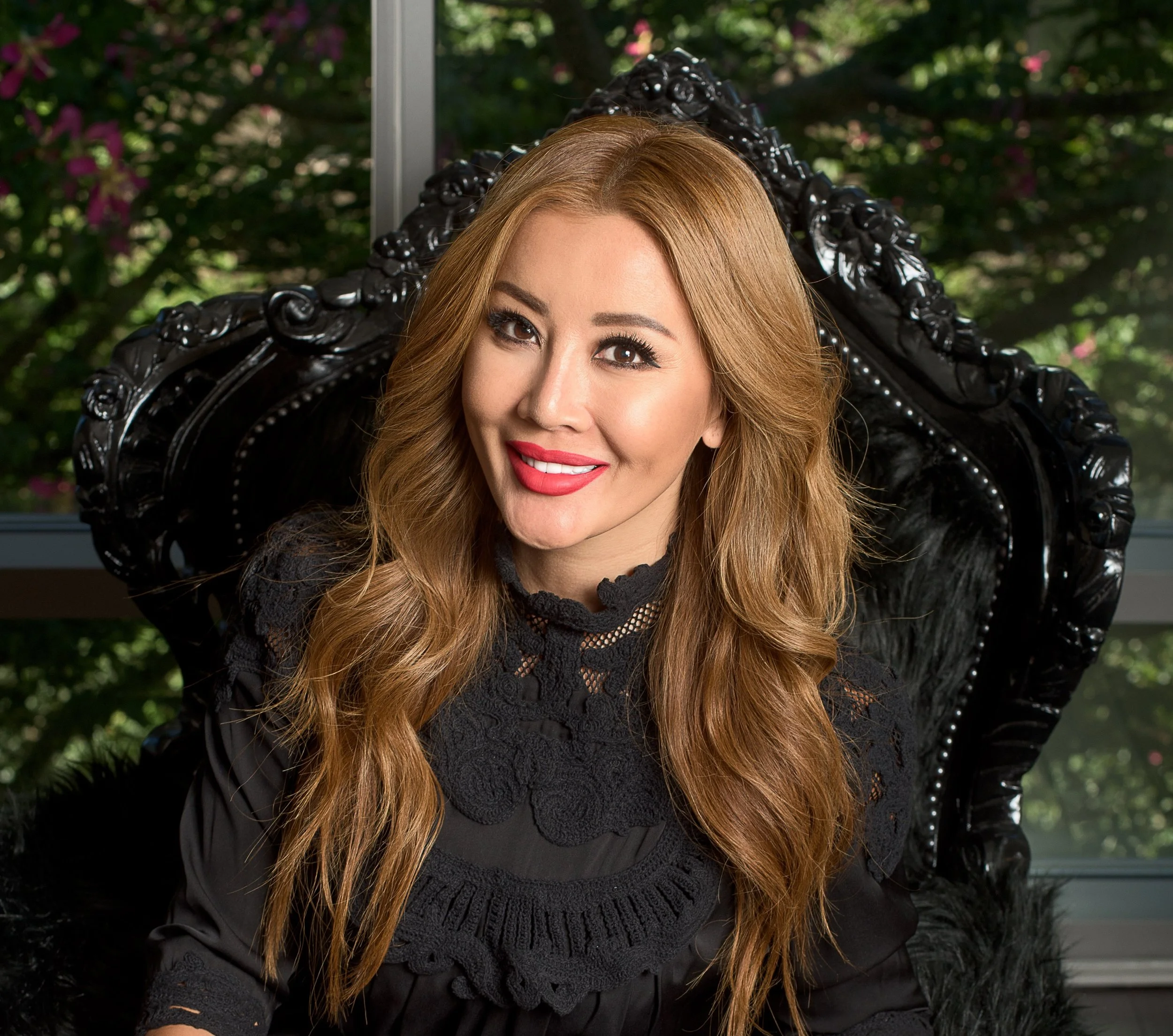
Toni Ko was born in Daegu, a city in the south of the country, to parents who knew one thing with certainty -that staying was not the plan. America was. They got there in 1986, when Toni was thirteen years old, carrying almost nothing except ambition and the belief that the work would eventually speak for itself.
She arrived speaking no English. They put her directly into seventh grade. She has said it was not a good experience -that she had to be creative just to pass classes when she could not understand what the teacher was saying. But she learned something more useful than anything on the syllabus. She learned to figure things out without being told how. She learned to be comfortable with complicated.
Her mother, Elaine, started a small beauty supply business. Korean immigrants who did not yet speak English, she has observed, rarely went looking for jobs. They opened shops. They put bread on the table the only way available to them.
Toni went to work in that shop.
From age fourteen to twenty-five -eleven years -she worked for her mother. After school. On weekends. Through summers. Her mother did not pay her a salary. What she received was a roof, food, clothes, and twenty dollars a week.
Twenty dollars. For eleven years.
But there was something those eleven years gave her that no salary could have bought.
She stood behind that counter every single day and watched women shop. She watched how they picked things up and put them down. She watched their faces when prices disappointed them. She watched what they reached for when they had money and what they settled for when they did not. She learned how to merchandise by colour, how to engage a customer's senses, how to make something feel worth more than its price tag.
She was absorbing everything. She just did not know yet what she was going to do with it.
Then came the bathroom mirror.
She has told this story herself, and it is the story that explains everything. She was a teenager. She and her girlfriends would go out together, and when they went to the bathroom they would all crowd around the mirror -the way girls do -and fix their makeup and talk. Her friends would reach into their bags and pull out MAC. Lancôme. The beautiful, expensive things from the department store.
Toni would reach into hers.
Drugstore products. Maybelline. Revlon. Things she could actually afford. The quality was not the same. The lip liners bled. The eyeliners smudged. She would stand at that mirror and feel the distance between what she had and what she wanted, and nobody in the industry seemed to think that gap was their problem to solve.
She filed it away.
"I was filling a need that I had," she said later, "that a generation of young women had, that wasn't being satisfied."
In 1999, at twenty-five years old, she moved back in with her parents, sold her car, and borrowed $250,000 from her mother.
She launched NYX Cosmetics from a 600-square-foot showroom in Los Angeles. One woman. One product line -eighteen pencils, six eyeliners and twelve lip liners, priced at $1.99 each instead of the $10 her competitors charged.
The same quality. A fraction of the price.
She packed every box herself. She drove the deliveries herself. She flew to New York on red-eye flights, landed at 5am, brushed her teeth in the airport bathroom, and walked into meetings without having slept. She did not waste money. She did not waste time.
In less than a month the pencils sold out.
Her first year: $2 million in revenue. One employee -herself.
She did not advertise in the traditional sense. She found the women on YouTube before anyone else in the industry understood what YouTube was. She watched makeup artists make tutorials using NYX products for techniques the products were never designed for -using a white jumbo eye pencil as an eyeshadow base because the texture held the pigment perfectly. She did not stop them. She listened to them. She let the community lead.
By 2014, NYX was in Target, CVS, Ulta. Revenue well over $100 million. Distribution in over 70 countries.
L'Oréal came calling.
She sold for $500 million. One of the largest beauty acquisitions in history. She became one of the first women in America to build and sell a self-funded company for half a billion dollars.
She went on Forbes. The cover. America's Richest Self-Made Women.
Then she fell into depression.
She has spoken about this openly, and the honesty is the most interesting part of her story. The brand had been her identity for fifteen years. Every morning she woke up knowing exactly who she was. Then one day she handed it over and had nothing to do with it. She would order NYX products online just to feel connected to something she had built. She watched the brand launch new products she had no part in and did not know how to feel.
She has said: money is valuable, but it is not the key to happiness.
She figured her way back. The way she always has -by building something new.
She launched Butter Ventures to invest in women-owned businesses, because she remembered what it felt like to start from nothing and have no one in your corner. She launched Bespoke Beauty Brands, an incubator that partners with influencers and designers to build beauty companies -because she had learned, the hard way, that the best market intelligence comes from listening to the people actually using the product.
She still buys NYX's Soft Matte Lip Cream six at a time.
She grew up working in her mother's shop for twenty dollars a week. She stood at bathroom mirrors and felt the sting of not being able to afford the things her friends had. She turned that sting into a business.
"I didn't invent makeup," she has said. "But I created makeup that women could actually afford. And that made all the difference."
She named the company NYX -after the Greek goddess of the night. A female figure so powerful that even Zeus was afraid of her.
That detail tells you everything about Toni Ko.
May the day break!