His Mother Sold His Late Father's Wedding Ring to Pay a 400% Interest Loan. He Built a Billion-Dollar Company to Make Sure No One Else Had To.
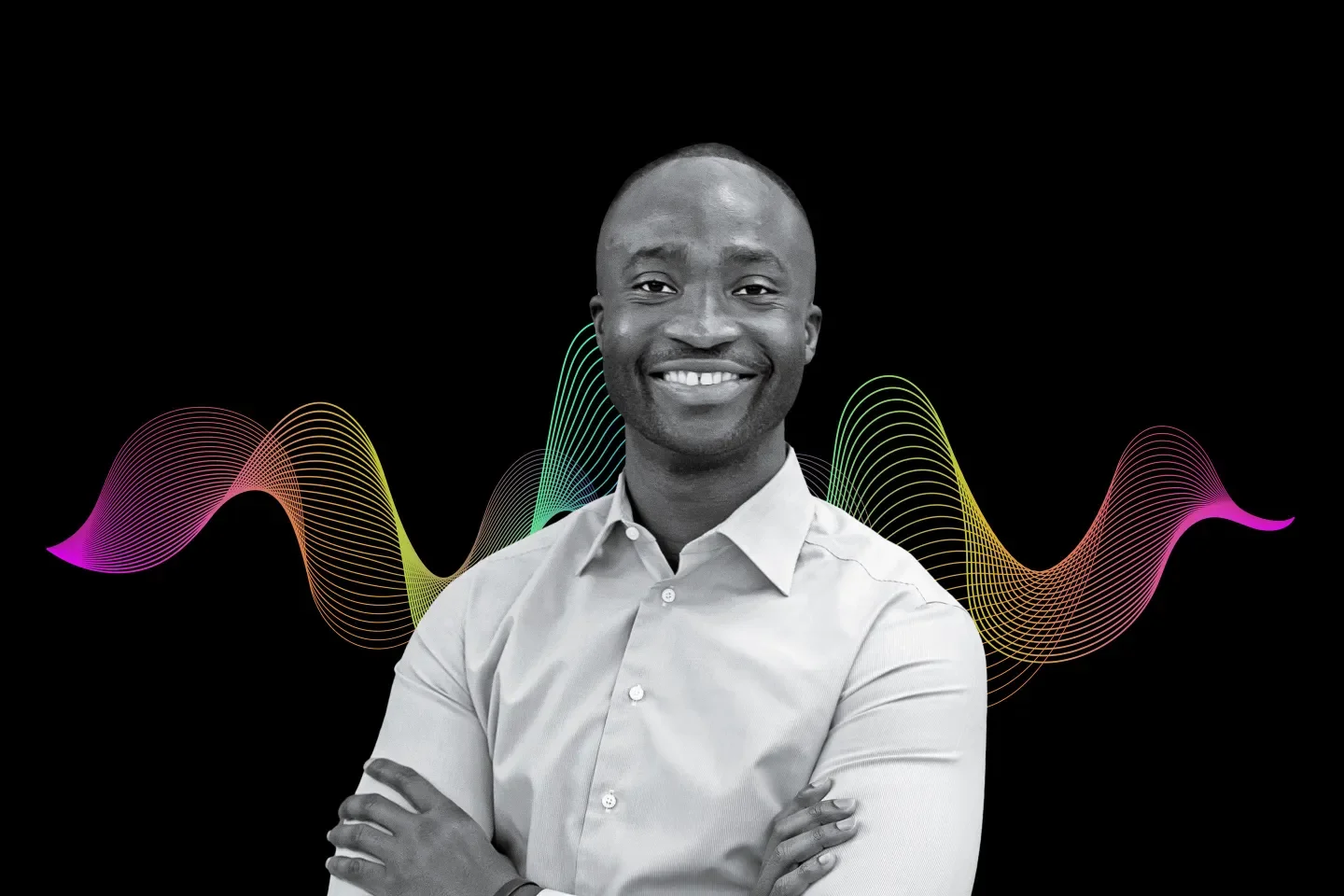
Abbey Wemimo never knew his father.
He died when Abbey was two years old. His mother raised him and his two sisters alone in the slums of Lagos - one of the most densely populated cities on earth, a place where survival required creativity and education was the only ladder out.
She believed in that ladder completely.
With money she scraped together from her salary, she enrolled Abbey in one of the finest high schools in Lagos. She went without so he could go to school. She did what mothers do when they have decided that their child will not inherit their circumstances.
In 2009, when Abbey was seventeen, she made the biggest decision of her life. She moved the family to Minneapolis, Minnesota. America. A new country, a new language, a new everything.
And almost immediately, the system said no.
She needed a loan. She went to the bank. She did not have a credit score - she had just arrived from Nigeria. No credit history in America meant no loan. She was turned away.
She went to another lender. They said yes.
At 400% interest.
She borrowed the money. She paid it back. She also sold her late husband's wedding ring - the one thing she had kept from the man who died when her son was two years old. She sold his ring. She borrowed from church members. She did whatever the system required of her because she had not crossed an ocean to go back empty-handed.
Abbey watched all of this. He was seventeen years old. And he understood something about America in those weeks that he has never forgotten: the credit score is a gate. And if you arrive without one, the system treats you as guilty until proven innocent.
He went to the University of Minnesota Crookston. Graduated magna cum laude. Got into NYU for his master's. Studied at Cambridge on a Queen's Young Leaders scholarship. Went to work at Goldman Sachs. Then PwC as a mergers and acquisitions consultant, where he worked on more than twenty deals valued over $50 billion.
He had arrived. And he had not forgotten where he had come from.
Before Esusu, he built Clean Water for Everyone - a social enterprise that provided affordable clean water infrastructure to over 250,000 people in six countries. He was twenty-two. He then built a data analytics company mapping NGO work across Africa. That company was acquired in 2014.
Then he met Samir Goel - another child of immigrants, another person who had watched his family get shut out of the financial system. They met at the Clinton Global Initiative. They stayed in touch for years. In 2018, they quit their corporate jobs and started Esusu.
The name comes from an old West African tradition of rotational communal savings - the practice of communities pooling money and taking turns accessing it. The oldest form of banking. The one that existed long before credit scores.
The idea was precise: most Americans who rent are paying their most significant monthly expense on time, every month. But those rent payments do not count toward their credit score. Mortgage payments do. Rent payments do not. That asymmetry traps millions of people - predominantly low-income renters, predominantly people of colour - in a cycle where they can never prove creditworthiness because the proof they already have every month is invisible.
Esusu would change that. They would capture rent payment data and report it to the major credit bureaus, giving renters the credit history their payments had already earned.
They pitched 300 investors before anyone said yes.
Three hundred. The rejections were often direct - investors who said plainly they were not confident in the team. Two Black founders building for communities that investors had spent decades ignoring.
They kept going.
The first investors were colleagues who gave up buying homes to invest in Esusu. Friends who borrowed money to put in. People who believed in the mission before the numbers were there.
In January 2022, SoftBank's Vision Fund led a $130 million Series B round. Esusu was valued at $1 billion - one of the very few Black-owned unicorn companies in America.
Today Esusu operates in over 4 million rental units across all 50 states. It has helped its users access $13 billion in credit. It offers rent relief at 0% interest for people facing hardship. It has never forgotten the woman who borrowed at 400% because no one else would lend to her.
Abbey Wemimo has said it plainly: "Where you come from, the colour of your skin, and your financial identity should never determine where you end up."
His mother sold her dead husband's wedding ring to pay a predatory loan.
Her son built the company that would have made that loan unnecessary.
May the day break!